HOW IS 3D PRINTING CHANGING THE FOOD INDUSTRY ? WITH EXAMPLES !
How is 3D Printing Changing the Food Industry?
3D Printing is here to remain. Manufacturers and enterprises across a broad spectrum of industries like Aerospace, Automotive, Packaging, and Food are actively piloting and leveraging the inherent benefits of 3D printing technology. The worldwide 3D printing industry is anticipated to grow from $3.07B in revenue in 2013 to $12.8B by 2018, and top $21B in worldwide revenue by 2020.
The Food Industry and 3D Printing.
With the arrival of 3D printing, there has been an amazing breakthrough in today's food industry, with companies across the world trying their hand at 3D printing food. Today, 3D printing isn't any longer a plan, but a reality that may revolutionize food innovation and production through better creativity, customizability, and sustainability.
In the simplest of terms, 3D printing uses a process referred to as additive manufacturing, wherein 3D deposition printers slowly deposit layers of fabric, one in every of top of the opposite, until a product is made. 3D binding printers may be used, where the layers are later bound with adhesive. The 3D printers used for manufacturing and creating food utilize lasers, powdery materials and nozzles, amongst others, and are opening up new doors when it involves food customization and delivering a potent mixture of just the correct nutrients.
Food Innovation - Current Applications of 3D Printing
While 3D Systems ChefJet uses crystallized fine-grain sugar for perfect geometric configurations and high-throughput confectionary, there are other companies preferring using syringes to dispense chocolate into beautiful patterns. yet one more company - Foodini, is using edible ingredients squeezed out of chrome steel capsules to make a large range of dishes from sweet to savory.
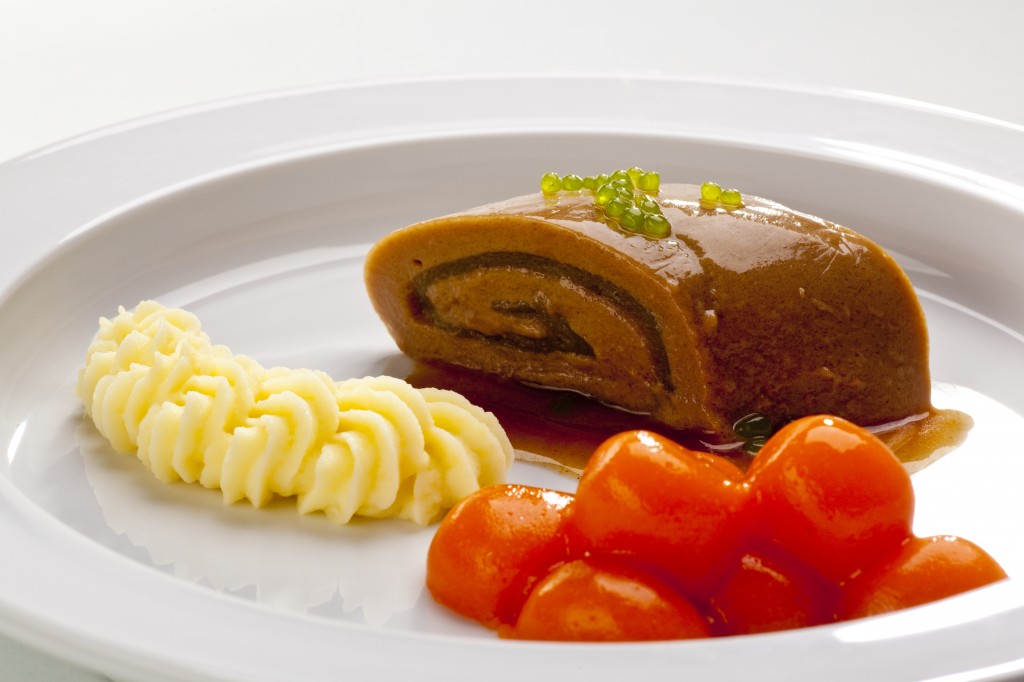
A German institution, uses a 3D printer to make a food called Smoothfoods, which may be a concoction of mashed peas, carrot and broccoli. This tasty dish is then congealed with edible glue and served to elderly residents who face difficulties in chewing. This has been a large hit, with over 1,000 such facilities in Germany adopting the technology.
At the buyer Electronics Show (CES) held in city in 2014, the CIA Culinary Institute of America made a partnership with 3D Systems, the inventor of the ChefJet for beta testing their 3D food printers. The CIA plans on using 3D food printing in their internship and fellowship programs. The CIA feels that 3D printing may be a boon where ideas can come to life and lot of your time can also be saved within the process.
There is really no limit to the scope and therefore the way forward for the 3D printing industry. Very soon, you would possibly be eating pastas, pizzas, brownies or quiche all printed from a 3D food printer!
The Advantages of 3D Food Printing
With 3D printers now becoming more cost-effective for the common consumer, 3D food printing stands to achieve lots from this newfound interest within the technology. Food printing manufacturers are already lauding the aptitude of 3D food printers to spice up culinary creativity, nutritional and ingredient customizability, and food sustainability. a number of advantages of 3D food printing include -
Saving Time and Effort: 3D printing food can save both time and energy when it involves experimenting with cocktail garnishes or chocolate/sugar cake toppers. Even a trained pastry chef cannot achieve the perfection that 3D printing can
Innovation in Healthy Food: Today, 3D printing has gone beyond the kitchen. Chloé Rutzerveld, a Dutch food designer has used food printers to make cracker-like yeast structures that include spores and seeds that sprout with time. He feels that snacks like this and other such natural and portable products will transform the food industry someday
Food Sustainability: 3D Food Printing has the flexibility to provide an ever-growing world population as compared to traditional food manufacturing systems. At the identical time, food printers could also minimize waste with the utilization of hydrocolloid cartridges that form gels when combined with water. Even rarely used ingredients like duckweed, grass, insects or algae is wont to form the premise of familiar dishes
Personalized Reproducible Nutrition: Since 3D food printers follow digital instructions, the thought of having the ability to create personalized food containing the proper percentage of nutrients for a selected age or gender doesn't seem thus far off. Food printers can easily help determine the precise quantity of vitamins, carbohydrates and fatty acids as per the input, with none toil
Examples :

3D Printing for Insects Meal

3D Printed Sweets

3D Printed Ice Cream of Your Own Face.

3D Printed Sweets With Futuristic Shapes.
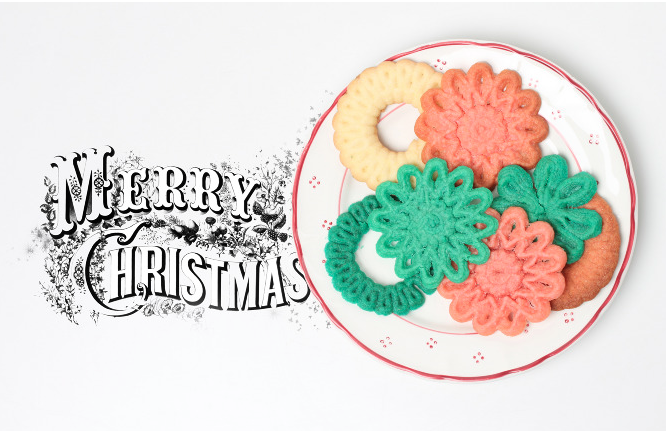
3D Printing to Bake Christmas Cookies.
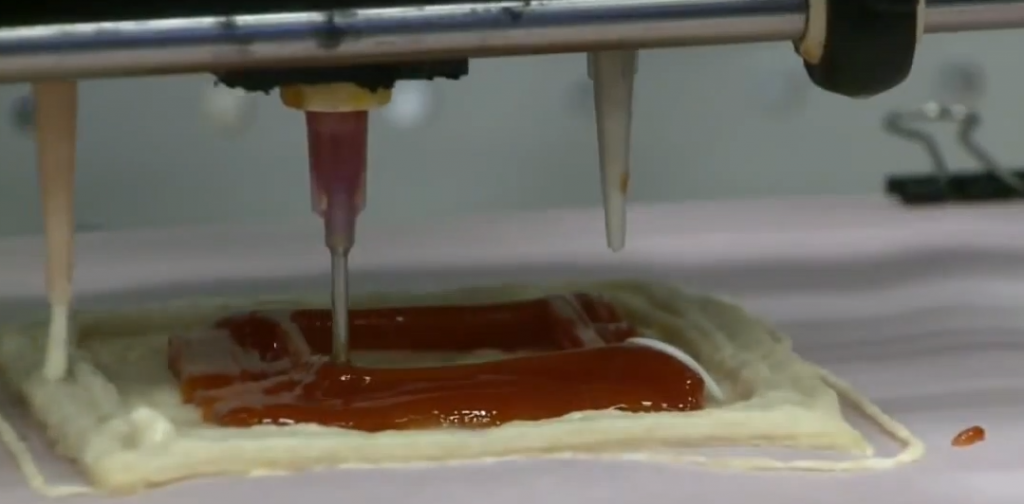
3D Printed Pizza !

3D Printed Pan Cakes !
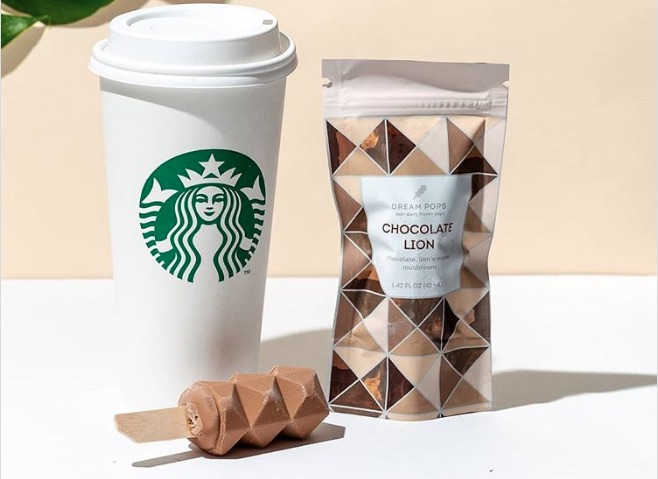
3D Printed Ice Cream !

3D printed Pizza !
No comments